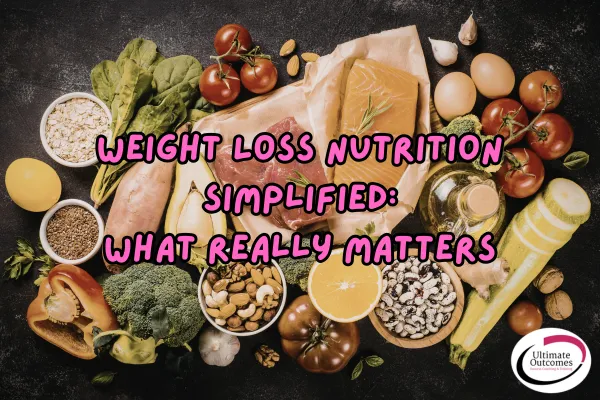
Weight Loss Nutrition Simplified: What Really Matters
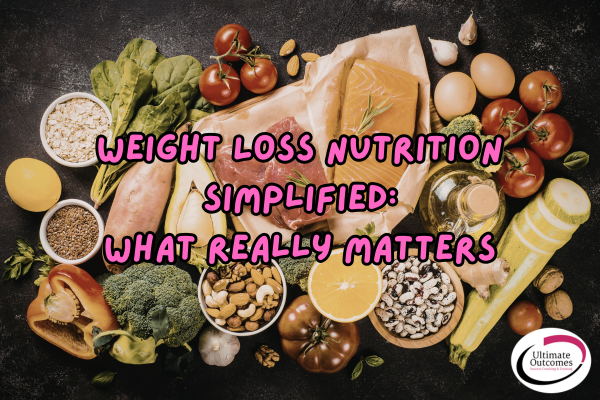
With so much conflicting advice online — from keto to intermittent fasting, juice cleanses to calorie counting apps — it’s no wonder nutrition feels complicated. But here’s the truth: successful, sustainable weight loss doesn’t require perfection, expensive foods, or endless tracking. It comes down to a handful of principles done consistently.
Understanding what really matters allows you to stop chasing every new trend and focus on the habits that make a genuine difference for your body, energy, and wellbeing.
1. Whole Foods Are Your Foundation
Whole, minimally processed foods provide the nutrients your body needs to function optimally. They are naturally lower in added sugars, refined carbs, and unhealthy fats, making them easier to control in terms of energy intake.
Examples of whole foods:
Proteins: chicken breast, lean beef, eggs, fish, tofu
Vegetables: broccoli, zucchini, spinach, pumpkin
Fruits: berries, apples, pears
Healthy fats: avocado, olive oil, nuts
Carbohydrates: sweet potato, quinoa, whole grains
Even small swaps, like replacing a sugary snack with fruit and nuts, can add up over time.
2. Prioritise Protein at Every Meal
Protein is more than just for building muscle. It:
Supports muscle maintenance during weight loss
Increases satiety and reduces cravings
Slightly boosts metabolism through the thermic effect of food
Practical tip: Aim for about 20–30g of protein per meal. For reference:
120g chicken breast = ~25g protein
2 eggs + 1 cup Greek yogurt = ~25g protein
Protein also stabilises blood sugar, helping reduce energy crashes that can lead to overeating later.
3. Healthy Fats Are Essential
Despite decades of “low-fat” messaging, fat is crucial for:
Hormone balance
Brain health
Long-lasting fullness
Include moderate portions of:
Nuts and seeds (almonds, chia seeds)
Avocado
Olive oil or coconut oil
Tip: Portion control matters with fats because they are calorie-dense. One handful of nuts or a teaspoon of oil can go a long way.
4. Vegetables: The Unsung Hero
Vegetables are nutrient powerhouses that:
Provide fiber to keep digestion regular
Add volume to meals without excess calories
Support blood sugar balance
Trick for success: Include at least half your plate as vegetables. Frozen veggies are just as nutritious and save prep time.
5. Portions Matter More Than Perfection
You don’t need to obsessively track every calorie. Simple visual cues work well:
Protein = palm of your hand
Carbs/starchy vegetables = cupped hand
Fat = thumb
Veggies = as much as you can hold in both hands
This approach simplifies meal planning and supports sustainable weight loss.
6. Consistency Over Perfection
Even small, repeated actions matter more than occasional “perfect” meals. Consistency builds trust with yourself and helps develop long-term habits that stick.
Example: Eating protein at every meal, adding vegetables to lunch and dinner, and choosing whole grains most of the time will compound results over weeks and months.
Gentle Call to Action
If you’d like a personalised approach to simplify nutrition, Robyn offers Complimentary Discovery Sessions. She can help you create a plan for weight loss tailored to your preferences, lifestyle, and goals — without deprivation or confusion.
Click here to book your session