Understanding DISC: What Your Team’s Personality Types Reveal
Every leader has asked some version of this question:
“Why does one team member want quick decisions, another needs all the data, another avoids conflict at all costs, and another thrives on energy and brainstorming?”
The answer often lies in personality dynamics.
One of the most practical, workplace-friendly frameworks for understanding these differences is the DISC assessment. When applied well, DISC gives leaders a powerful lens into communication styles, motivators, stress behaviours, and team dynamics.
More importantly, it helps you stop taking behaviour personally — and start leading strategically.
What Is DISC?
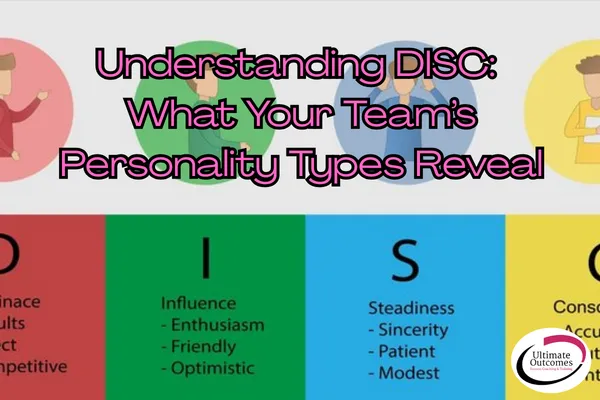
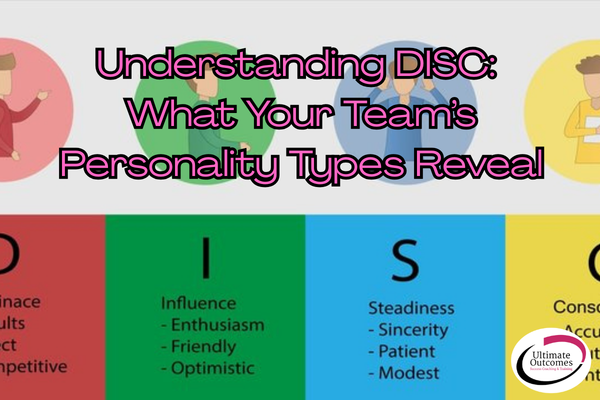
DISC is a behavioural model that categorises personality tendencies into four primary styles:
D – Dominance
I – Influence
S – Steadiness
C – Conscientiousness
It doesn’t measure intelligence, capability, or values. Instead, it reveals how someone prefers to communicate, make decisions, and interact with others.
When leaders understand DISC, they gain clarity on:
Why misunderstandings happen
How to reduce friction
How to motivate individuals differently
How to build balanced, high-performing teams
Let’s explore what each style reveals.
D – Dominance: The Results-Driven Driver
What they reveal:
Highly focused on outcomes
Comfortable with risk and fast decisions
Direct and task-oriented
Prefer autonomy and efficiency
What they need from you as a leader:
Clear goals
Concise communication
Authority to act
Respect for their time
Under stress, D styles may become impatient or overly blunt. Without understanding DISC, this can be misinterpreted as aggression. In reality, they are often focused on speed and results.
Leadership insight: If you overload a D style with unnecessary detail or slow processes, frustration builds quickly.
I – Influence: The Enthusiastic Connector
What they reveal:
Energised by people and interaction
Persuasive and optimistic
Thrive in collaborative environments
Big-picture thinkers
What they need from you as a leader:
Recognition
Opportunities to contribute ideas
Engaging conversations
Social interaction
Under stress, I styles may become disorganised or overly talkative. Their strength is inspiration — but they may need support with follow-through.
Leadership insight: If you communicate only through data and structure, you may unintentionally disengage your I team members.
S – Steadiness: The Reliable Supporter
What they reveal:
Loyal and dependable
Calm and patient
Prefer stability and predictability
Strong team players
What they need from you as a leader:
Clear expectations
Time to adjust to change
Appreciation for their consistency
A harmonious environment
Under stress, S styles may avoid conflict or resist sudden change. They value security and relationships deeply.
Leadership insight: Rapid change without explanation can create anxiety for S personalities.
C – Conscientiousness: The Analytical Expert
What they reveal:
Detail-oriented and precise
Analytical thinkers
High standards for quality
Prefer structure and accuracy
What they need from you as a leader:
Clear processes
Data and rationale
Time to analyse
Defined expectations
Under stress, C styles may become overly critical or withdrawn. They are driven by doing things correctly, not quickly.
Leadership insight: If you pressure a C style for immediate decisions without information, you risk reducing both quality and engagement.
Why DISC Matters in the Workplace
Understanding personality styles transforms leadership in three major ways:
1. Communication Improves Immediately
You stop using a one-size-fits-all approach and tailor your message.
With D: Be brief and outcome-focused.
With I: Be engaging and enthusiastic.
With S: Be supportive and steady.
With C: Be structured and detailed.
2. Conflict Becomes Easier to Navigate
Most workplace conflict is not about competence — it’s about style clashes.
A fast-moving D may frustrate a cautious C.
An expressive I may overwhelm a reserved S.
DISC helps leaders normalise these differences and mediate with insight instead of assumption.
3. Strength-Based Leadership Becomes Possible
Instead of trying to “fix” personality differences, you can strategically leverage them.
Let D styles lead projects.
Engage I styles in presentations and morale-building.
Trust S styles with relationship-driven tasks.
Assign C styles to quality control and analysis.
When people feel understood, performance rises.
A Word of Caution: DISC Is a Tool, Not a Label
One of the biggest mistakes leaders make is turning DISC into a box.
People are not purely one style. Most individuals are a blend, and behaviour can shift depending on context, stress, or environment.
DISC should expand your understanding — not limit it.
Used correctly, it builds empathy, emotional intelligence, and strategic leadership awareness.
From Awareness to Application
Knowing DISC concepts is valuable.
Applying them consistently is transformative.
As a corporate coach and workplace trainer, I often see teams take a DISC assessment, attend a workshop, and then… do nothing with it.
The real power lies in:
Integrating DISC into performance conversations
Using it in conflict resolution
Aligning roles with strengths
Adjusting leadership communication styles
If you’d like to explore how DISC can improve communication, reduce conflict, and elevate performance within your team, I invite you to book a discovery session. Together, we can create practical strategies tailored to your leadership style and organisational needs.
Because when leaders understand behaviour, they lead with clarity — not guesswork.