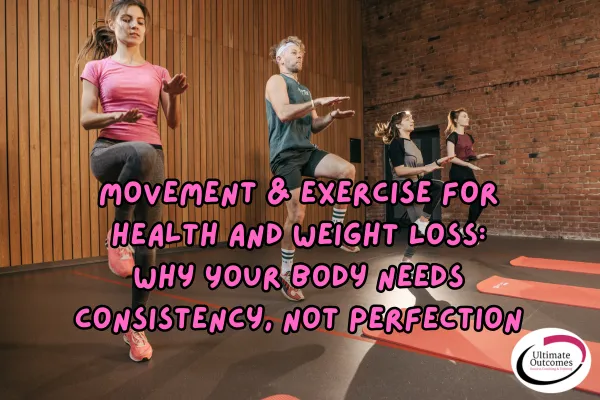
Movement & Exercise for Health and Weight Loss — Why Your Body Needs Consistency, Not Perfection
When it comes to movement and exercise for health and weight loss, many people fall into the same trap — believing they need to do intense workouts, strict routines, or extreme fitness programs to see results.
The truth is far more encouraging.
Your body does not require perfection. It requires consistency, gentle progression, and daily movement that supports your nervous system and metabolism.
Why Movement Matters More Than Intensity
Movement is one of the most powerful tools for improving both physical health and sustainable weight loss.
Regular movement supports:
Metabolism regulation
Blood sugar balance
Hormonal health
Emotional wellbeing
Energy production
Stress reduction
Importantly, movement is not just about burning calories — it is about how your body functions as a whole system.
The Power of Daily Movement for Weight Loss
One of the most underrated tools for exercise for weight loss is simply walking and increasing daily movement (also known as NEAT — Non-Exercise Activity Thermogenesis).
This includes:
Walking
Cleaning
Gardening
Taking stairs
Light stretching throughout the day
These small movements add up significantly and often create more sustainable weight loss results than high-intensity exercise done inconsistently.
Exercise and the Nervous System Connection
Many people struggle with consistency not because they are lazy, but because their nervous system is overwhelmed.
When the body is stressed, it may resist intense exercise due to:
Fatigue
Low motivation
Hormonal imbalance
Emotional burnout
This is why gentle, consistent movement is often more effective than extreme training programs.
When movement feels safe, the body is more likely to stay consistent — which is where real change happens.
How Exercise Supports Weight Loss (Beyond Calories)
While exercise does burn energy, its deeper impact includes:
Improving insulin sensitivity
Supporting muscle development (which increases metabolism)
Reducing cortisol (stress hormone linked to weight gain)
Improving sleep quality
Enhancing emotional regulation
This means movement and exercise for health supports weight loss in both physical and emotional ways.
Building a Sustainable Movement Routine
Instead of aiming for perfection, aim for consistency you can maintain.
A simple structure might look like:
20–30 minutes of walking daily
2–3 gentle strength sessions per week
Stretching or mobility work each morning or evening
The key is not intensity — it is repeatability.
Final Thoughts
Sustainable movement and exercise for health and weight loss is not about pushing harder — it is about building a relationship with your body that you can maintain long-term.
When movement becomes supportive rather than punishing, consistency becomes natural.
If you are ready to create a realistic, supportive approach to movement and weight loss, you are warmly invited to book a complimentary discovery session with award-winning coach Robyn Ratcliff.
Through the Individual Weight Management Coaching Sessions, you will receive personalised guidance to build sustainable movement habits, improve energy, and support long-term weight loss success.