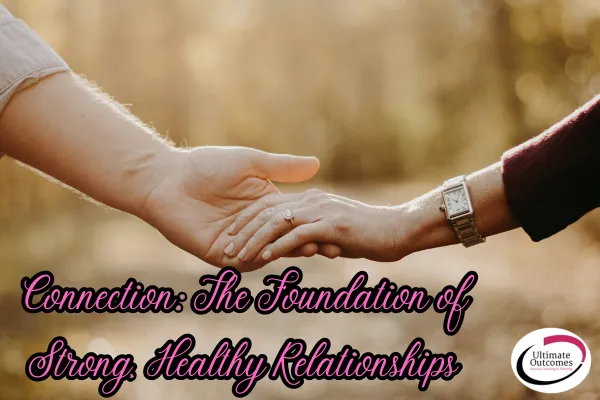
Connection: The Foundation of Strong, Healthy Relationships
In today's fast-paced world, it's easy to be physically present with the people we care about while feeling emotionally distant. Between busy schedules, work demands, family responsibilities, technology, and daily stress, many relationships gradually lose the sense of closeness that once felt effortless.
At the heart of every thriving relationship lies one essential element: connection.
Connection is what helps people feel seen, heard, understood, valued, and supported. It creates trust, strengthens intimacy, and allows relationships to withstand life's inevitable challenges. Whether you're in a romantic partnership, a friendship, or a family relationship, meaningful connection is what transforms ordinary interactions into fulfilling and lasting bonds.
The good news is that connection isn't something you either have or don't have. It can be nurtured, strengthened, and rebuilt at any stage of a relationship.
What Does Connection Really Mean?
Connection goes beyond simply spending time together.
True connection involves:
Feeling emotionally safe
Being able to communicate openly and honestly
Understanding each other's needs and perspectives
Sharing experiences and meaningful moments
Feeling valued and appreciated
Supporting one another through challenges and successes
When connection is strong, people feel like they're on the same team. They experience greater trust, intimacy, and satisfaction within their relationship.
When connection weakens, however, misunderstandings, frustration, loneliness, and resentment can begin to grow.
Signs Your Relationship May Be Lacking Connection
Many couples assume relationship problems start with conflict. In reality, they often begin with disconnection.
Some common signs include:
Conversations become purely practical or transactional
You feel more like roommates than partners
Physical affection decreases
Small misunderstandings turn into larger arguments
You feel unheard or misunderstood
One or both partners feel lonely despite being together
Quality time becomes rare
Emotional intimacy feels absent
These signs don't necessarily mean a relationship is failing. Often, they simply indicate that intentional effort is needed to rebuild connection.
Why Connection Matters So Much
1. It Creates Emotional Security
When people feel connected, they feel emotionally safe.
They know they can share their thoughts, feelings, concerns, and vulnerabilities without fear of judgment or rejection. This emotional security forms the foundation for trust and intimacy.
2. It Improves Communication
Strong connection makes communication easier.
When people feel valued and understood, they're more likely to listen openly, communicate respectfully, and resolve disagreements constructively.
Rather than seeing each other as opponents, connected couples work together to solve problems.
3. It Strengthens Resilience
Every relationship faces challenges.
Financial stress, parenting responsibilities, career changes, health concerns, and life transitions can all place pressure on a relationship.
Connection acts as a protective factor during difficult times. Couples who maintain strong emotional bonds are often better equipped to navigate adversity together.
4. It Increases Relationship Satisfaction
Research consistently shows that emotional connection is one of the strongest predictors of long-term relationship happiness.
People who feel connected report:
Greater trust
Increased intimacy
Higher relationship satisfaction
Better emotional wellbeing
Stronger commitment
Simply put, connection helps relationships thrive.
Common Barriers to Connection
Understanding what gets in the way of connection is often the first step toward improving it.
Busy Lifestyles
Many couples spend their days rushing between work, family responsibilities, household tasks, and social commitments.
As a result, meaningful conversations often get replaced by logistical discussions about schedules, bills, and responsibilities.
Technology Distractions
Phones, social media, emails, and streaming services can unintentionally reduce opportunities for genuine interaction.
Being physically together doesn't always mean being emotionally present.
Stress and Mental Load
Stress can leave people emotionally exhausted and less available for connection.
When individuals are overwhelmed, they often withdraw, become irritable, or struggle to communicate effectively.
Unresolved Conflict
Past hurts and unresolved issues can create emotional distance over time.
Without healthy communication and resolution, resentment can slowly erode connection.
Practical Ways to Strengthen Connection
Building connection doesn't always require grand gestures. Often, the smallest consistent actions create the greatest impact.
Prioritise Quality Time
Connection grows through shared experiences.
Set aside dedicated time to focus on each other without distractions.
This could include:
Going for a walk together
Having regular date nights
Sharing a morning coffee
Cooking meals together
Enjoying a hobby as a couple
The key is being fully present.
Practice Active Listening
Many people listen to respond rather than listening to understand.
Active listening involves:
Maintaining eye contact
Avoiding interruptions
Asking thoughtful questions
Reflecting back what you've heard
Showing empathy
Feeling heard is one of the most powerful ways to strengthen connection.
Express Appreciation Regularly
Small expressions of gratitude can have a significant impact.
Make a habit of acknowledging:
Efforts
Kindness
Support
Achievements
Everyday contributions
Simple statements such as "Thank you," "I appreciate you," or "I noticed what you did for me" can deepen emotional closeness.
Be Curious About Each Other
People continue to grow and evolve throughout life.
Stay curious about your partner's:
Goals
Dreams
Challenges
Interests
Thoughts and feelings
Maintaining curiosity helps prevent relationships from becoming stagnant.
Create Daily Moments of Connection
Connection isn't built solely during major milestones.
It's often strengthened through small daily interactions, including:
A genuine hug
A meaningful conversation
A kind text message
Sharing a laugh
Checking in emotionally
These moments accumulate over time and strengthen the relationship bond.
Rebuilding Connection After Disconnection
If you've drifted apart, it's important to remember that disconnection doesn't have to be permanent.
Many strong relationships experience periods of distance due to life circumstances, stress, or unresolved challenges.
Rebuilding connection starts with:
Acknowledging the issue
Committing to positive change
Improving communication
Creating intentional opportunities for connection
Seeking support when needed
The willingness to reconnect is often the most important first step.
The Power of Investing in Your Relationship
Healthy relationships rarely happen by accident.
Like physical health, career success, or personal growth, strong relationships require ongoing care and attention.
The more intentionally you invest in connection, the stronger your relationship becomes.
By creating emotional safety, improving communication, showing appreciation, and prioritising quality time, you can build deeper, more meaningful connections that support both partners for years to come.
Ready to Strengthen Your Relationships?
If you're feeling disconnected, struggling with communication, or simply want to create a stronger and more fulfilling relationship, professional guidance can help.
Award-winning Relationship Coach Robyn Ratcliff helps individuals and couples develop healthier communication patterns, strengthen emotional connection, navigate challenges, and build more rewarding relationships.
Book a complimentary discovery session with Robyn Ratcliff today to explore how Relationship Coaching can help you create deeper connection, stronger communication, and lasting relationship success.