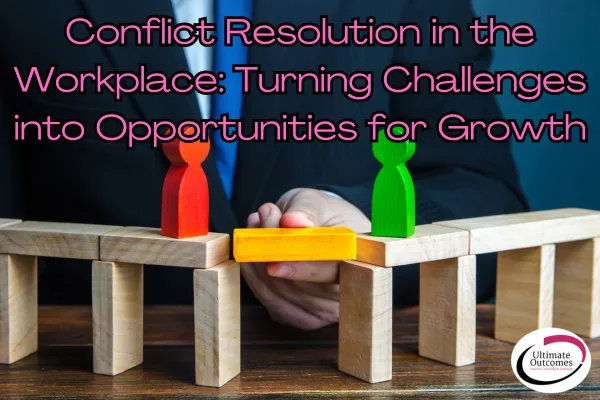
Conflict Resolution in the Workplace: Turning Challenges into Opportunities for Growth
Conflict in the workplace is often viewed as something negative—something to avoid, suppress, or quickly resolve. However, workplace conflict is a natural part of human interaction. Wherever people with different personalities, communication styles, experiences, values, and goals work together, disagreements are inevitable.
The difference between high-performing organisations and struggling workplaces is not whether conflict exists—it's how conflict is managed.
When handled effectively, workplace conflict can lead to stronger relationships, improved communication, increased innovation, and better business outcomes. When ignored or poorly managed, it can result in decreased productivity, low morale, absenteeism, staff turnover, and a toxic workplace culture.
As a leader, manager, or business owner, developing strong conflict resolution skills is essential for creating a positive and productive workplace environment.
Understanding Workplace Conflict
Workplace conflict occurs when individuals or groups experience disagreements, misunderstandings, or competing interests that create tension within the workplace.
Conflict can arise from a variety of factors, including:
Communication breakdowns
Different work styles or personalities
Unclear roles and responsibilities
Competing priorities
Resource limitations
Differences in values or beliefs
Poor leadership practices
Performance concerns
Workplace stress and pressure
While conflict itself is not inherently harmful, unresolved conflict can escalate quickly if left unmanaged.
Signs of Unresolved Workplace Conflict
Many workplace conflicts begin subtly before becoming larger organisational issues.
Common warning signs include:
Increased tension between team members
Reduced collaboration
Gossip and workplace negativity
Avoidance behaviours
Passive-aggressive communication
Increased absenteeism
Lower productivity
Declining employee engagement
Higher staff turnover
Recognising these signs early allows leaders to intervene before conflicts become deeply embedded within workplace culture.
The Hidden Cost of Workplace Conflict
Many organisations underestimate the financial and cultural impact of unresolved conflict.
Research consistently shows that workplace conflict can result in:
Reduced Productivity
Employees involved in ongoing conflict often spend significant time and energy focused on interpersonal issues rather than productive work.
Increased Stress and Burnout
Conflict activates the body's stress response, affecting concentration, decision-making, and overall wellbeing.
Lower Employee Engagement
When workplace relationships deteriorate, employees often become disengaged and emotionally disconnected from their work.
Staff Turnover
Talented employees rarely leave organisations solely because of the work itself. More often, they leave because of poor workplace relationships, ineffective leadership, or unresolved conflict.
Damage to Workplace Culture
Conflict that is ignored can create an environment of mistrust, fear, and negativity that affects entire teams.
Why Conflict Resolution Matters for Leaders
Strong leaders understand that conflict is not a sign of failure—it is an opportunity for growth.
Effective conflict resolution helps leaders:
Build trust within teams
Improve communication
Strengthen workplace relationships
Increase employee engagement
Foster psychological safety
Improve team performance
Create a more positive workplace culture
Employees are more likely to feel valued, respected, and motivated when they know their concerns will be heard and addressed fairly.
Common Causes of Workplace Conflict
Understanding the root cause of conflict is critical to finding an effective resolution.
1. Communication Problems
Misunderstandings are one of the most common sources of workplace conflict.
This may include:
Assumptions
Lack of clarity
Poor listening skills
Misinterpretation of messages
Inconsistent communication
Improving communication often resolves many workplace disputes before they escalate.
2. Different Working Styles
Some employees thrive on structure and planning, while others prefer flexibility and spontaneity.
Neither approach is wrong, but differing styles can create frustration if not understood and respected.
3. Unclear Expectations
When employees are unsure of their responsibilities, priorities, or performance expectations, confusion and frustration can quickly develop.
Clear expectations reduce misunderstandings and improve accountability.
4. Competing Priorities
Departments and individuals often have competing objectives.
Without effective collaboration and communication, these competing priorities can create tension and conflict.
5. Personality Differences
People bring unique perspectives, experiences, and behavioural styles into the workplace.
Understanding and appreciating these differences can help teams work together more effectively.
Effective Strategies for Resolving Workplace Conflict
Address Issues Early
One of the biggest mistakes leaders make is hoping conflict will resolve itself.
In most cases, unresolved issues become larger over time.
Address concerns promptly, professionally, and respectfully before they escalate.
Focus on the Issue, Not the Person
Effective conflict resolution separates behaviour from character.
Instead of making personal criticisms, focus discussions on specific actions, behaviours, and outcomes.
For example:
❌ "You're always difficult to work with."
✅ "I've noticed there have been some challenges meeting deadlines, and I'd like us to explore what's contributing to that."
This approach reduces defensiveness and encourages constructive dialogue.
Practise Active Listening
Many conflicts continue because people feel unheard.
Active listening involves:
Giving full attention
Avoiding interruptions
Asking clarifying questions
Reflecting back what you've heard
Demonstrating empathy
When employees feel genuinely listened to, they are often more willing to collaborate on solutions.
Encourage Open Communication
Create an environment where employees feel safe to express concerns respectfully.
Psychological safety allows team members to discuss challenges before they become major issues.
Leaders who encourage open communication build stronger, more resilient teams.
Seek to Understand Different Perspectives
Every conflict involves multiple perspectives.
Effective leaders approach conflict with curiosity rather than judgement.
Ask questions such as:
"Can you help me understand your perspective?"
"What do you feel is contributing to this issue?"
"What outcome would you like to achieve?"
Understanding different viewpoints creates opportunities for mutually beneficial solutions.
Collaborate on Solutions
Conflict resolution is most effective when all parties participate in finding solutions.
Encourage team members to:
Identify possible options
Discuss potential outcomes
Agree on practical actions
Establish accountability
Collaborative problem-solving increases ownership and commitment to resolution.
Follow Up
Resolution does not end when the conversation finishes.
Follow-up conversations help ensure agreements are being implemented and relationships are improving.
Consistent follow-up demonstrates leadership commitment and accountability.
Building a Conflict-Positive Workplace Culture
The most successful organisations don't eliminate conflict—they develop healthy ways to manage it.
A conflict-positive culture encourages:
Respectful communication
Constructive feedback
Emotional intelligence
Collaboration
Accountability
Mutual respect
Continuous improvement
When leaders model these behaviours consistently, teams become more confident in navigating challenges productively.
The Role of Leadership in Conflict Resolution
Leaders set the tone for how conflict is managed within an organisation.
Employees closely observe how leaders respond during challenging situations.
Strong leaders:
Remain calm under pressure
Communicate clearly
Listen objectively
Address issues fairly
Demonstrate empathy
Focus on solutions
Hold people accountable respectfully
When leaders possess strong conflict resolution skills, they create workplaces where people feel safe, supported, and empowered to perform at their best.
Final Thoughts
Conflict is not something to fear—it is something to understand and manage effectively.
Every workplace experiences conflict, but organisations that proactively address challenges build stronger teams, healthier cultures, and better business outcomes.
By developing communication skills, emotional intelligence, and effective leadership strategies, workplace conflict can become an opportunity for growth, innovation, and stronger professional relationships.
The goal is not to eliminate conflict entirely. The goal is to create an environment where people can navigate disagreements respectfully, collaboratively, and constructively.
Ready to Strengthen Your Leadership and Conflict Resolution Skills?
If you're a leader, manager, or business owner looking to improve communication, strengthen team performance, and create a more positive workplace culture, the Empowering Leaders Program with award-winning Corporate Coach Robyn Ratcliff can help.
Through personalised coaching, practical leadership strategies, and professional development support, you'll gain the skills and confidence needed to navigate workplace challenges effectively and lead with greater impact.
Book a complimentary discovery session with Robyn Ratcliff today to learn how the Empowering Leaders Program can help you become a more confident, influential, and effective leader.